
01
CAPS Safety Layer
Training includes mindset and procedures around the Cirrus Airframe Parachute System as an additional emergency option.
Course Pathway
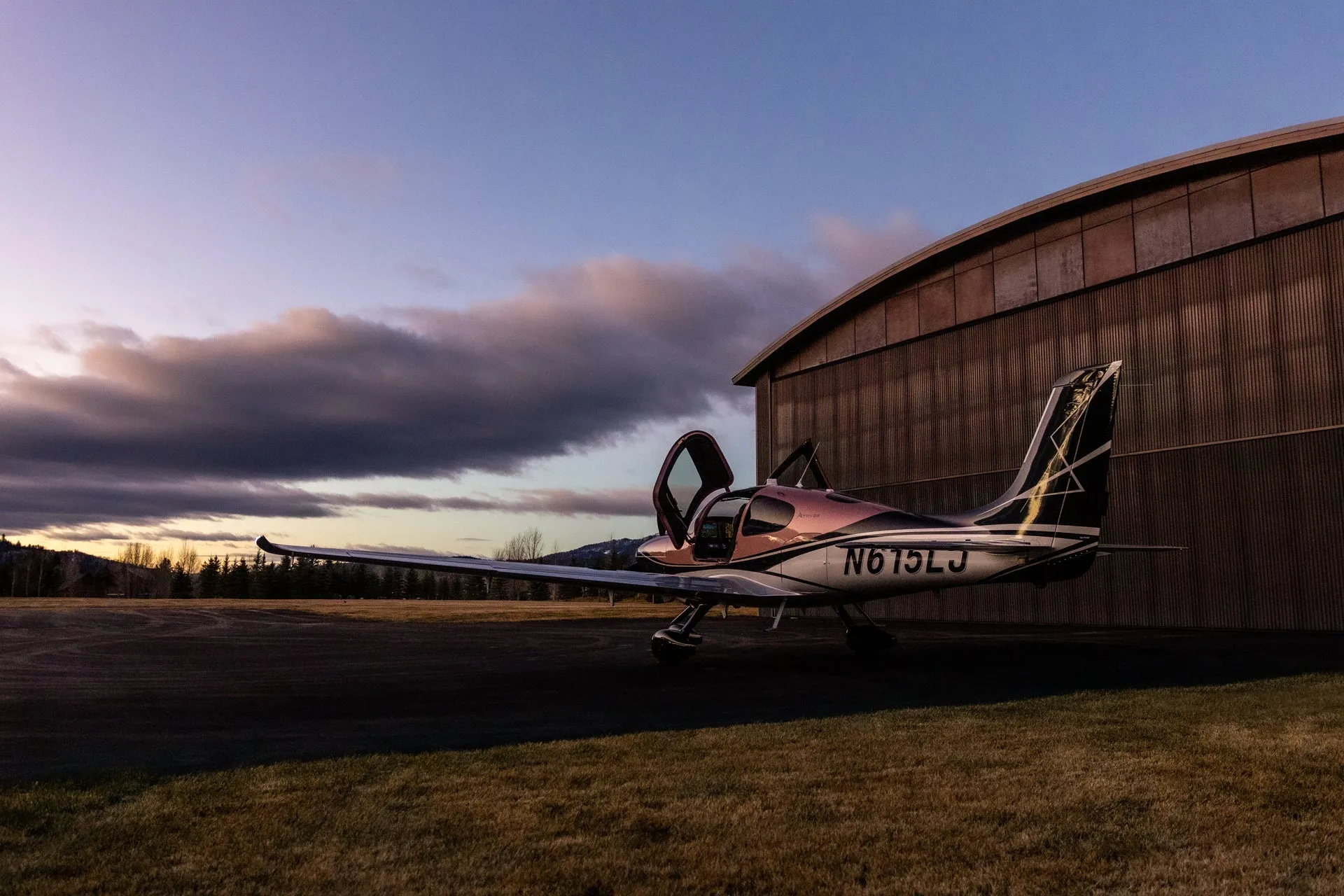
Night flying discipline with calm, structured decision-making.
Theory
3 hours
Flight Training
5 hours
Training Schedule
2-3 training nights
Course Overview
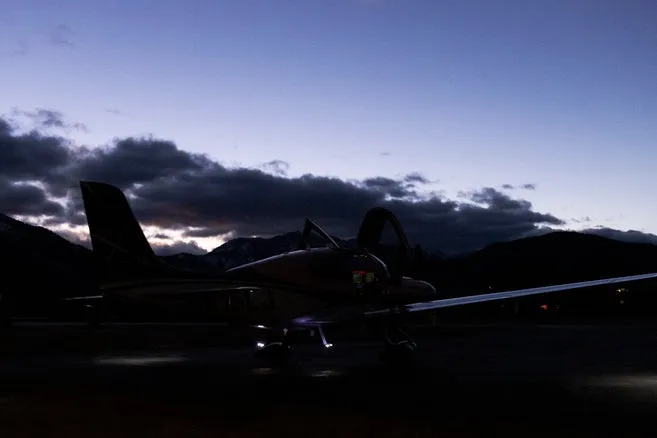
This rating focuses on night operations without full instrument procedures. You train for night navigation, visual orientation, and the different landing perception cues you only experience after sunset.
Who It's For
For pilots who refuse to let sunset dictate their schedule.
What You Walk Away With
Depart after work, arrive for dinner. Your evenings become as flyable as your days.
Entry Requirements
What You Will Build
01
Night route planning and cockpit workload management in low-light conditions.
02
Visual orientation techniques with simple navigation tools and outside references.
03
Dedicated night takeoff and landing practice with instructor supervision.
Your Training Path
Each stage is designed to build real capability at a pace that respects your time and challenges your ambition.
How your eyes, your instincts, and your spatial awareness behave differently after dark. Short, focused, essential — the kind of knowledge that changes how you see every sunset flight.
The runway lights replace the horizon. You learn a different kind of precision — calmer, more deliberate, more rewarding. The night landing is a skill that earns quiet respect from every pilot who watches.
Route planning in reduced visibility. Reading the dark landscape, managing workload, staying ahead of the aircraft. Your cockpit becomes your world and you learn to trust it completely.
Depart one city, arrive in another after sunset. The final exercise that turns your evenings into flight time. Land back home knowing your schedule just doubled.
Safety Framework
01
Training includes mindset and procedures around the Cirrus Airframe Parachute System as an additional emergency option.
02
Briefing discipline, checklist habit, and scenario-based repetition build consistent, reliable pilot behavior.
03
Class 2 — Private Pilots
Standard aviation medical exam by a certified AME. Assesses general health, vision, and hearing.
Class 1 — Commercial Pilots
Comprehensive exam with additional cardiovascular and psychological assessment.